Bitterroots Natural Medicine

and PCOS

  • Home
  • Meet Dr. Dunne
  • New View on High Androgen Women
  • Roots Talk: Connect
  • Consultation Choices
  • Payment Portal

Not a Diva? You don’t have to be

October 25, 2019 By Dr. Nan Dunne Leave a Comment

You just be you.

It’s not like any one of us can actually be other than who we are are. Problems, when there are any, come from other people wanting us to behave as if we are someone else. Typically, someone less troublesome, more compliant and not disruptive to anyone else’s preferences.

High androgen women tend not to fit neatly into 20th century social definitions of acceptable female behavior. Some of us are cheerfully, intentionally defiant. Some are simply unconcerned and unaffected by disapproval or lack of respect or kindness directed at us because of our differences. Others of us are sadly, unwillingly different-from the comfortable “norm”, and suffer the defamation of other people’s prejudices and limitations deeply, every day. Horrifyingly, in some cultures, non-compliant high androgen women are traumatized with rejection and eventually murdered, often by their own family, their close neighbors. This site aims to be a source of high quality information, of soothing, strengthening real life stories, a node of connection for a world-wide community of women who inhabit their authentic selves in peace and love.

For most of my life, being called a “Diva” was an insult. It was a judgement, implying a narcissistic self-absorption, a self-adoration rarely justified by personal achievement.

di·va/ˈdēvə/
noun
  1. a famous female opera singer of extraordinary talent and artistry.
    “your average opera isn’t over till the diva trills her high notes”
    • a famous female singer of popular music.
      “a pop diva”
    • a self-important person who is temperamental and difficult to please (typically used of a woman).
      “she is much more the dedicated maverick than the petulant diva”

More recently “diva” seems to be used to describe any woman, operatic genius or not, who is primarily admired for her ability to focus mass attention on her typically cis-het appearance, accompanied by some form of remarkable financial success. A 21st century diva is admired to the degree she exhibits personal control over who she pleases, and how.

I want to validate EVERY woman’s right to want what she wants and get what she wants, because she wants it. After 2000 years of patriarchy, during which time women have been treated as if we are less-then, as if we are not fully human, and our lives have not been wholly under our own control, feeling like a modernly-defined diva can be pretty exhilarating. I do not want us to forget for a moment that when we exclude, we cause harm. I want not-slim, not-smooth, not-approved-as-arousing-to cis-males high androgen woman to be seen accurately and celebrated authentically, too.

I want every high androgen woman to experience herself in full control over every choice in her life. I want our choices to be free of obligations that require suppression of our true nature. If your power is freed up when you wear a crown, shine on precious jewel! If your effectiveness and joy are born from your inner resources and expressed without personal reference at all, I want that river to flow! A Diva, a Queen, a Warrior Woman, a Witch, Poet, Farmer, Builder, Thinker, Helper, Maker, Mom, whoever you are, whatever your contribution,  I want you to Be You. We will help each other get there.
 

Filed Under: Uncategorized

You Make Me Feel Like a Natural Woman

January 7, 2016 By cmsadmin Leave a Comment

I hope you have ALL seen the magnificent Ms Aretha Franklin‘s performance of Carole King‘s hit (You Make Me Feel Like) A Natural Woman.

https://www.facebook.com/musicretrobest/videos/375040846533147/

The Kennedy Center Honors recognizing Ms King’s artistic achievements gave us an absolutely stunning performance, a collaboration of genius, these two women combining forces to create a profoundly inspiring moment. I am so deeply moved, watching this performance. Find it here, and find your own magnificent womanhood reflected!

Since this performance, I am moved to adopt the concept, A Natural Woman, as more appropriate, more accurate and more inspiring than the Uncommon Woman concept I have so far been using to embed my PCOS work. By Uncommon Woman I have meant to declare and defend our inherent uniqueness, that is, to defend against the diagnostic labels that cannot accurately or usefully describe us. A Natural Woman is a phrase and a concept that more positively and more accurately describes each and every one of us. Despite the limited thinking and un-natural categorization convenient to reductionist medical science, we are each a unique and natural -that is, normal -version of what adult human females can be. All humans have strengths and vulnerabilities; all humans have conditions that need attention and care for optimal well being. We are each somewhere on the continuum of what humans can be.

A few years ago I got to make a presentation of this concept to my colleagues at a continuing education conference. In a TED talk-like format, I was able to describe to the physician audience how we have mistaken ‘different’ for ‘abnormal’. We talked about anthropological, psychological and social science research that supports understanding high androgen women with PCOS as normal human females living in a deteriorating physical environment. I asked them to change how they see and subsequently how they interact with their patients who have been assigned a diagnosis of PCOS. How we see ourselves can be influenced by how others perceive us; we give professionals an enormous amount of power to define a collective version of what is normal. Professionals are human first. Their world-view colors their perceptions and decisions and affects the way they ask research questions, and how they interpret the data they collect. Care needs to be taken in assessing the value of data that may be unconsciously biased. We are always working to do a better job with what we spend our time doing, including being alert to our personal biases.

A really powerful part of this talk are the photos that high androgen women with PCOS have shared with me, along with permission to use their images and bits of their stories to illustrate the endlessly diverse array of appearances high androgen women walk around in. I project on a screen these gorgeous images, flowing by.  (You Make Me Feel Like) A Natural Woman plays very quietly in the background. The audience become very curious, very interested in learning. It’s so inspiring, every time I get to share this.

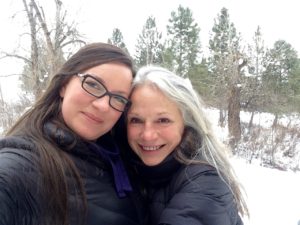
Here’s the photo I use, of me and fabulous daughter Tassia, a couple of happy, healthy naturally high androgen women having a walk on a winter day.We’re looking forward to adding YOUR smiling face to the cast of extraordinary characters we are! Shine on, and share your natural light!

Filed Under: Uncategorized

Is D-Chiro-Inositol a Good Choice for You?

December 11, 2015 By cmsadmin Leave a Comment

Many of you are enjoying the reliable benefits of inositol. Specifically, supplemental Myo-inositol has a proven track record for enhancing egg quality, normalizing ovulation, supporting weight management and inflammation by reducing insulin resistance and testosterone levels, as well as enhancing your heart health. Our knowledge of the benefits of D-chiro-inositol, on the other hand, is a bit more sketchy. Myo-inositol breaks down to D-chiro-inositol and in that form it has functions slightly different from its parent molecule. Some research suggests women with PCOS do not convert as much myo-inositol into D-chiro-inositol. It’s logical to wonder if adding D-chiro-inositol as a supplement will help. A series of research studies have been done looking at this combination. All are unfortunately flawed.

Someone, some where, at some time decided to state that the normal, physiologic ratio of myo- to d-chiro- inositol in human plasma is 40:1, and this is the ratio tested in at least 3 studies.[i],[ii]. [iii] All 3 studies concluded that both inositols demonstrate significant benefit, but note there should be a specific selection for clinical application. In essence, there are no contraindications at all to using myo-inositol. It significantly improves reproductive function by positively effecting blood sugar and insulin as well as testosterone levels, while enhancing ovulation and increasing the quality of women’s oocytes (eggs). D-chiro inositol adds additional benefit to cardiovascular health, but it will also damage a woman’s oocytes. There are claims made by suppliers of supplement products that the tiny amount of d-chiro-inositol available in products with the 40:1 ratio is not dangerous. However, one study noted that d-chiro-inositol by itself “negatively effects oocyte quality.”[iv]

Unfortunately, no one seems to be able to identify the research that determined the validity of the claim that the 40:1 ratio actually represents a human norm. The authors have been contacted and asked to produce their original source; they have apparently not replied to the request. In my communication with colleague Dr. Michael Jurgelewicz, I am intrigued by points he makes regarding the rationale for the 40:1 ratio. Specifically, presuming 40:1 is the desirable ratio in all humans, women with PCOS would have higher plasma levels than other people, since we don’t convert it as efficiently. Therefore it makes more sense to supplement with a ratio LOWER than 40:1 in order to compensate for a high MI/DCI ratio occurring in PCOS patients.

Because we don’t have actually reliable data on 1. the validity of a 40:1 ratio or 2. the clinical risks involved in lowering that ratio, effectively increasing the d-chiro component, in my practice, I am not recommending the use of d-chiro-inositol products to my patients and clients who want to have children. We need definitive studies that identify at what dose of D-chiro-inositol we start seeing a decline in oocyte quality. There is so far a single study that examines that question; the authors conclude “The number of immature oocytes was significantly increased in the three groups that received the higher doses of DCI. Concurrently, the number of MII oocytes was significantly lower in the D group compared to placebo group. Noteworthy, the number of grade I embryos was significantly reduced by DCI supplementation. Indeed, increasing DCI dosage progressively worsens oocyte quality and ovarian response.”[v]

Considering the current state of our understanding, I consider it irresponsible to use D-chiro-inositol with a woman struggling with fertility issues until that data is clear. Theoretically I would be comfortable using it with a woman who will not be trying to get pregnant but does have some cardiovascular disease risk. However, since there are so many other reliable, proven ways to protect cardiovascular health, d-chiro-inositol is just not that interesting to me as a clinical tool.

Take good care of yourselves, UnCommon Women! Be alert to “new, new, new!” things to buy. Too new may mean someone is jumping the gun to produce profit, without sufficient respect for your well being.


Resources:

[i] Dinicola S, et al. The rationale of myo-inositol and D-chiro-inositol combined treatment for polycystic ovary syndrome. J Clin Pharmacol. 2014 Oct;54(10):1079-92. doi: 10.1002/jcph.362. Epub 2014 Jul 18.
[ii] Unfer V, Porcaro G. Updates on the myo-inositol plus d-chiro-inositol combined therapy in polycystic ovary syndrome. Expert Rev Clin Pharmacol. 2014 Sep;7(5):623-31. doi: 10.1586/17512433.2014.925795. Epub 2014 Jun 5.
[iii] Nordio M, Proietti E. The combined therapy with myo-inositol and D-chiro-inositol reduces the risk of metabolic disease in PCOS overweight patients compared to myo-inositol supplementation alone. Eur Rev Med Pharmacol Sci. 2012 May;16(5):575-81.
[iv] Dinicola S, et al. The rationale of myo-inositol and D-chiro-inositol combined treatment for polycystic ovary syndrome. J Clin Pharmacol. 2014 Oct;54(10):1079-92. doi: 10.1002/jcph.362. Epub 2014 Jul 18.
[v] Isabella R, Raffone E. Does ovary need D-chiro-inositol? J Ovarian Res. 2012 May 15;5(1):14. PubMed PMID: 22587479; PubMed Central PMCID: PMC3447676.

Filed Under: Uncategorized

Why Have A Consult?

November 20, 2015 By cmsadmin Leave a Comment

WHY HAVE A CONSULTATION?

I’ve been doing some doctoring lately. I had a knee joint replaced, so, a long time of pain and dysfunction, decision for surgery and some months of recovery with physical therapy. It has been wonderful! Everything went perfectly and I can dance again! But, the experience has reminded me what it is like to be a patient.

As I attended many appointments, saw not-doctors when I thought I’d be seeing my chosen MD, even had assessment and treatment suggestions offered by receptionist staff, I had many opportunities to wonder, what if I didn’t know what I know? How do non-health care professionals get the information they need, assimilate the foreign details in order to give truly informed consent, and make sense of the recovery process?

Every one of the folks shepherding me through the process has been skilled and sincerely doing their best to be helpful. And, there was never a realistic opportunity for any teaching, or for any learning. There are reams of printed patient hand outs to read at home, of course. I noted that when I would ask a question that required expanding beyond what was available in the handouts, the medical staff were stumped. Including my surgeon.

Not, I am certain, because they didn’t have more information in their heads- they are all extremely well educated and competent. But it was really clear that they are speaking from scripts, and going off-script just throws them and their TIME frame off. I can see where, in their scripts, there is a sincere attempt to demonstrate a more holistic concern for patient well being- there is nutrition advice, reminders to de-stress, and get appropriate exercise. But, profit requires efficiency, and efficiency requires stream-lining, and stream-lining slices away every irregularity, every difference, every unique aspect of an individual’s circumstance that would require a personalized interaction.

We are no longer mystified by PCOS. Treatment options have become standardized and most women no longer encounter blank looks and vague dismissals from their primary care providers. It’s great that we can find doctors who are familiar with AND who feel supported by the rest of the medical community (because that’s very important to most licensed professionals, that they are practicing within the bounds defined by their community) to treat PCOS.

But no professional functioning within the current system, needing to extract extraordinary profits from each patient encounter, is able to offer the time it takes to exquisitely examine, understand and provide support for YOUR unique circumstance. Sometimes we need information, education and support to make and maintain behavior changes, much more than we need another prescription drug. Individualized treatment is a luxury we do not provide each other in our current system for providing health care.

If you are looking for an experienced professional accustomed to listening carefully, examining deeply and offering explanation and multiple treatment options for you to choose from among, consider a consultation with me.

Filed Under: Uncategorized

Get Real!

October 27, 2015 By cmsadmin Leave a Comment


Women with PCOS face many challenges in a world that very narrowly defines what beauty is. Labeling us as “anxious” and “depressed” as if those states arise from within us, as if the weight of cultural bias doesn’t or shouldn’t realistically add to the burden of UnCommon Women is a cruelty that is on it’s way out.

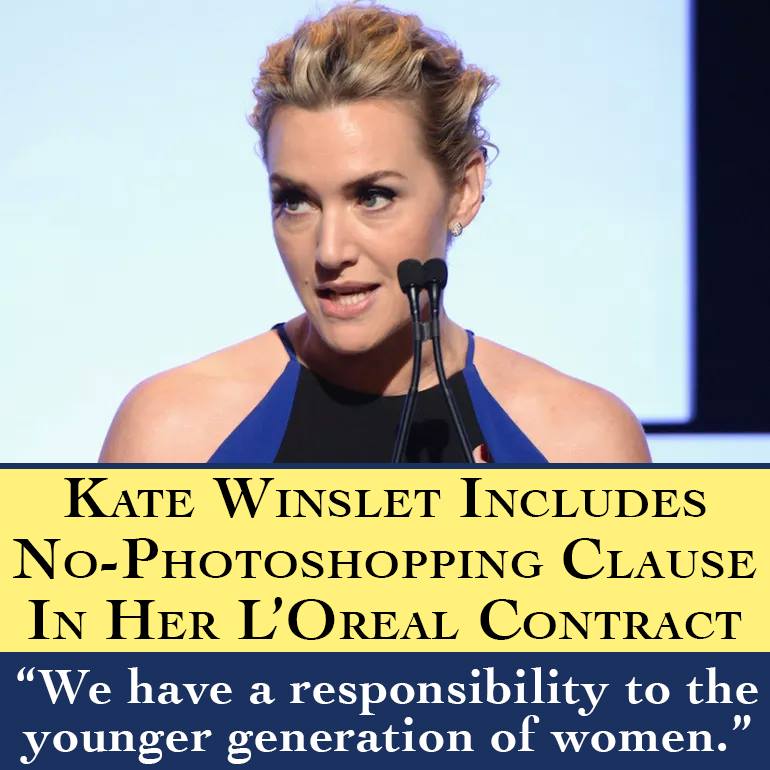
Kudos to Kate Winslet for taking a stand against the unrealistic beauty standards being fostered by the widespread use of photoshopped images in magazines and advertisements! At the Elle Women in Hollywood event last week, the Academy Award-winning actress announced that she has added a ‘no retouch’ clause to her advertising contract with L’Oréal. In discussing the decision with E! News, Winslet explained, “I do think we have a responsibility to the younger generation of women. I think they do look to magazines, I think they do look to women who have been successful in their chosen careers and they want people to look up to, and I would always want to be telling the truth about who I am to that generation because they’ve got to have strong leaders. We’re all responsible for raising strong young women, so these are things that are important to me.”

Winslet has long been critical of the excessive photoshopping of images due to the detrimental effect it can have on the self-esteem of girls and women. In a 2009 interview with Harper’s Bazaar, she shared that she would ask that photos to be returned to their original state after she viewed the retouched versions: “I have wrinkles here, which are very evident. And I will particularly say when I look at movie posters, ‘You guys have airbrushed my forehead. Please can you change it back?’ I’d rather be the woman they’re saying ‘She’s looking older’ about than ‘She’s looking stoned.’”

With 46% of 9-year-old girls ‘sometimes’ or ‘very often’ on diets, girls’ self-esteem peaking at age 9 and 80% of girls reporting being afraid of becoming fat by age 10, fostering a healthy self-image is a big priority for many parents of Mighty Girls. To help make it easier, we’ve compiled an extensive collection of excellent books on body image for girls from toddlers to teens and their parents in our “Body Image” section athttp://amgrl.co/1Lk7t4W

For a few of our favorite self-esteem boosting books about the importance of loving yourself, check out “I Like Myself” for ages 3 to 8 (http://www.amightygirl.com/i-like-myself), “A Smart Girl’s Guide to Liking Herself, Even on the Bad Days” for ages 9 to 12 (http://www.amightygirl.com/a-smart-girl-s-guide-to-liking-herself), and “The Body Image Workbook for Teens: Activities to Help Girls Develop a Healthy Body Image in an Image-Obsessed World” for ages 13+ (http://www.amightygirl.com/body-image-workbook).

And, for books for parents that address body image issues, including the helpful guide “101 Ways to Help Your Daughter Love Her Body,” visit our “Body Image & Self-Esteem” parenting section here.

Filed Under: Uncategorized

You Can Change Your Mind!

October 8, 2015 By cmsadmin Leave a Comment

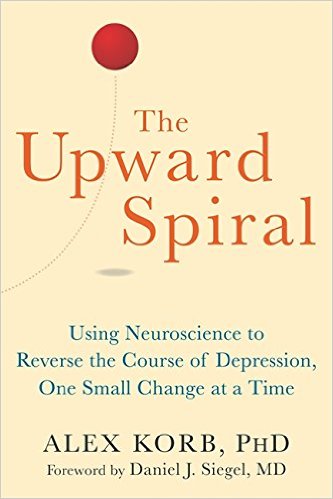
Alrighty, so we know that high androgen women have a little tendency to anxiety and depression. Annoying but true. Now that I am older, and have had time to see what these experiences do and most importantly DON’T do in my life, I enjoy reworking these energies, taking the power and transforming it to something that serves me better. The Upward Spiral is a great book on the brain-chemistry of these experiences and how we can choose to extract ourselves from the sticky yuck and make something GOOD happen instead! No special equipment, no appointment needed!
If you don’t need to read a whole book to get the idea, here are the main points:

  1. Ask “What am I grateful for?” If nothing comes immediately to mind, keep thinking- turns out it’s the thinking about gratitude that changes your brain!
  2. Label the negative emotions- give those feelings their names. It turns out knowing enough about something to name it let’s your mind chill out about it. We are all more anxious about the unknown.
  3. Decide. Just, make a choice. Whatever it is, landing on a decision, even a decision not to think about this anymore, soothes the mind. As one author writes,“Go for “good enough, instead of Best Decision Ever Made On Earth.” That’ll work!
  4. Hugs, Hugs, Hugs. We need touch. Try for 20-30 second hugs; science proves it, that’s how long it takes fro your mind to catch up with body experience of connection, peace and pleasure.

Filed Under: Uncategorized

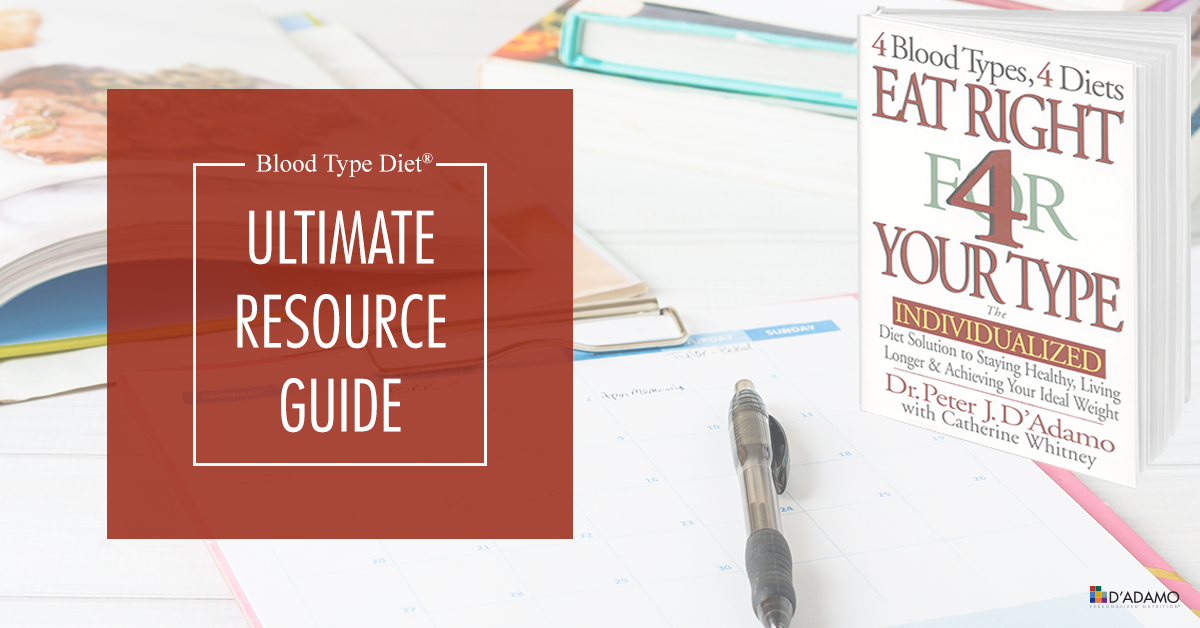
Eat Right for Your Blood Type

October 2, 2015 By cmsadmin Leave a Comment


The Blood Type Diet has been my #1 prescription for patients ready to look at how food choices effect their health. For women with PCOS, specific benefits include weight loss from reduction in fat as well as the “water weight” we hold from the inflammation caused by foods that are not complementary with our genetic ‘types’. Dr. D’Adamo’s work certainly arouses the ire of some folks who for some reason can not absorb the excellent basic and advanced research science that contribute to our understanding of why food chemistry is or is not a best choice for an individual. Most of my patients are less interested in science and mostly interested in feeling and functioning well. This is how to do that! Find out your blood type- O, A, B or AB; and find out if you are Rh positive or negative. You can learn this if you donate blood to the RedCross, or if you have access to prenatal records- this testing is done for all pregnant women receiving prenatal care. If you don’t have the info from these sources, you can ask your doc to type your blood, or you can ourchase an at-home blood typing kit from www.4yourtype.com. Once you have that you are ready to go! The October 4yourtype newsletter provides a fantastic collection of resources to make getting started extra easy: http://www.4yourtype.com/newsletter/october-2015-dadamo-newsletter/

I ask people to give it 6 weeks; 100% of the time people who follow it come back saying “THIS IS IT! This is how I will eat the rest of my life- I feel fantastic!” And, 100% of the time, they don’t, of course, stick with the new way of eating… and, their symptoms come back. That’s when the real learning begins. It’s not a coincidence, we aren’t imagining it. When we eat as our genetic inheritance suggests, our bodies begin to work more efficiently, and improvement in all aspects of body, mind and spirit are a reliable benefit.

Filed Under: Uncategorized

Pregnancy Basics for PCOS

September 15, 2015 By cmsadmin Leave a Comment

So many young women with PCOS struggle to become pregnant. Here are the basics for improving your chances of becoming pregnant and having a successful pregnancy. These suggestions are valuable when you are just starting to desire a pregnancy, and also when you have been at it a while and are considering using a form of medical technology to achieve pregnancy.

#1 Creating new life is complex; Eat complex, whole foods

Sometimes, for some people, getting pregnant seems uncomplicated and effortless. In fact, conception and successful pregnancy are simply fine examples of the indescribable complexity of life.

Especially if you are often distracted by the misery of infertility, you may enjoy pausing right now, and recalling some of the wonder and beauty that drives your desire to be a parent. Think for a minute what you remember about where your baby’s eye color would come from or how perfect-in-miniature a newborn’s ear is. Indulge yourself in a little day-dream of watching your child grow and learn and respond to your guidance… What a profoundly, indescribably complex miracle a human being is!

And, you know, it’s just not fair to expect yourself to produce that miracle out of fast food burgers and diet soda or pizza and beer. In fact, you could expect that if you have PCOS, your own inherited chemistry has been created in direct response to a less-than-optimal-for-you diet history. Changing food choices is a fundamental step most women with PCOS must take in order to have a successful pregnancy.

Whole foods are those that have not been processed and packaged in a factory. Whole foods are intact foods that have not been changed from their natural, original form until just before you prepare and eat them. If you went to a friend’s house and she offered you a glass of apple juice, a cup of home-made applesauce or a fresh apple, which would you choose as the most whole food? Even if the apple juice was fresh squeezed and the applesauce was made from organically grown fruit and no sugar added, the plain, whole apple is the least refined item and therefore the most nutritious. The applesauce is more refined than the whole apple, and some nutrients are lost in the cooking processs. But applesauce would be a better choice than the juice, which is definitiely the most altered from the original, whole apple. It is missing it’s fiber, and many of the vitamins and other nutritional components are lost with exposure to air, light and heat as the apple is refined by machinery into just juice. Whole food is the fuel our bodies are designed to run on. The more a food is manipulated traveling through the food industry to get to you, the less actual nutrition and therefore benefit for you, it has. [i];[ii]

We can eat a lot of refined food and get very little nutrition. What is put into refined food to color and preserve it for instance, and, maybe more importantly what has been taken OUT of refined food, leaves us short. Refined, factory-sourced food products are missing essential chemistry like fiber, vitamins, minerals, fatty acids and enzymes.

Refined food will also burden you with too much chemistry that has no job to do and offers no benefit in your body. Food colorings, preservatives, chemicals added to slow decay, and the remnants of agricultural pesticides and fertilizers are called xenobiotics. [iii] This stuff is not just neutral debris; it all creates work for your hormonal, eliminative and immune systems. The resources junk food steals from you so you can eliminate it from your body are not available for you use for your natural, normal processes that will lead to optimal health and a successful pregnancy.

And, refined food makes us over-fat. Obesity by itself creates body chemistry that makes achieving regular menstrual cycles and thus pregnancy, much less likely. Obesity during pregnancy adds risks to both mom and baby’s well being, including making baby more likely to become obese, and have PCOS or metabolic syndrome (obesity, high blood pressure and cardiovascular disease) as an adult.[iv]

Whole foods protect against developing obesity and the effects of xenobiotics. Whole foods are required in order to recover from obesity as well as from the effects of processing and storing the environmental toxins that ride into your system along with refined foods.

Regardless of where you are or what you are doing, choose whole foods whenever possible. Prioritize budgeting to feed yourself and your family a fresh, whole foods diet. This is the rock bottom, rock-strong foundation of good health life long.

#2 Eat Plenty of Fiber

Dietary fiber is necessary for optimal excretion of hormones via the stool. It also slows down absorption of foods so that blood sugar is more stable.[v]

If you eat whole foods regularly, you will get all the fiber you need. A diverse variety of fiber types is optimal: insoluble fiber from many vegetables, fruits, raw nuts and unrefined grains, promotes the movement of material through your digestive system and increases stool bulk. Those who struggle with constipation or irregular stools usually benefit from added water and fiber. Beans, oats, apples peas and psyllium combine water-soluble fiber with anti-inflammatory demulcent action. Flax seeds are generously medicinal for you, adding excellent fiber and anti-inflammatory action. These foods provide you water soluble and insoluble fiber that will help lower blood cholesterol and glucose levels and potentially prevent obesity, insulin resistance, type 2 diabetes and cardiovascular disease. [vi]

Hormones that have delivered their message and have been sent to the bowel for elimination are bound securely by fiber in the stool for evacuation. Stool with insufficient fiber allows hormones to be reabsorbed into the blood, effectively increasing your hormone levels and confusing the feedback system that we count on for just the right, functional balance of hormones. Stable, appropriately cycling hormone levels require a high fiber diet. [vii] Optimized reproductive hormone cycles are integral to long term health, particularly including breast and uterine cancer. [viii]

If you eat refined or processed foods, you may need to add supplemental fiber to your diet. However, adding fiber to a processed food diet is not nearly as beneficial as simply eating whole foods.

#3 Balance Your Essential Fats

People who consume a “modern” diet of processed foods have an imbalance of EFAs (essential fatty acids). These fats are essential because you cannot live without them, and you must get them from your food. There are two groups of essential fats: omega­6 and omega­3. Most people consume too much omega­6 and not nearly enough omega­3.

Until you restore this dietary balance, it will be next to impossible for your hormone to get themselves back into a healthy balance so that you can conceive. The fatty acids in your system direct the production of cholesterols, which form the foundation of your reproductive hormones, stress hormones and Vit D. The inflammatory messengers released in relation to fatty acids’ proportions have measurable positive impact on high blood pressure, obesity and high cholesterol that plague many women with PCOS.[ix] You may also need to Reduce Saturated Fat. A diet high in saturated animal fats tends to increase estrogen. Women with PCOS may already have an estrogen level that is too high relative to progesterone and thus have difficulty ovulating.

In addition, a diet that is too high in saturated fats impairs the metabolism of EFAs (essential fatty acids), creating disordered cell function that can perpetuate hormonal imbalances. Women who are on popular “low carb” diets to lose weight may be consuming too much saturated fat. The source, quality and the amount of saturated fat you eat is very important; if you are not sure you are doing your best with saturated fat, seek advice from a naturopathic physician or other knowledgeable professional.

#4 Change Your Carbs

Notice that I did not say “cut the carbs”. You have a better chance of restoring fertility if you get rid of processed carbohydrate foods and rely more on unprocessed and non-starchy carbohydrates.

You can find unprocessed carbs mostly in whole vegetables and whole fruits, and also nuts and seeds. They are also found in grains and legumes, although we recommend you restrict consumption of starchy carbs if you are overweight or have any blood sugar issues at all.

You will find undesirable carbs ( as well as “bad”, hydrogenated or otherwise un-natural fats, in nearly all processed, manufactured foods.

#5 Stop the Junk Food

Junk food is any food that high in calories but low in nutrition. These calories are called “empty calories”. Junk foods are typically high in refined carbohydrates, sweeteners and poor quality fats. They are attractively packaged and presented, and are easy to consume. They also taste good.

Before eating any highly processed food, look at the label and ask yourself, “Do I really need to eat this”?

#6 Reduce Alcohol

While trying to conceive, studies suggest you can improve your fertility by sharply curtailing your consumption of alcoholic beverages. We hear about some benefits to alcohol consumption, for instance in heart disease; however, when pregnancy is your goal, neither Mom or Dad shoud drink.

#7 Go Organic

Every year, huge quantities of chemical pollutants are added to our environment. Some of it inevitably ends up in our food supply. Nearly all of these chemicals are toxic to your body and some are “hormone mimics” or “hormone disrupters” that can reduce fertility. [xi]

In addition, monoculture has depleted our soils of nutrients. Foods may appear the same but actually contain lower quantities of nutrients. There was a time when this was a controversial point; however it is now clear that in fact organically grown food has more nutritional value. It costs more to buy, and you are getting more nutrition for your dollars as well. I would also offer the point that we save money on health care costs by enjoying greater over all health thanks to a nutritionally dense diet. [xii]

You can minimize these problems by buying organic foods, or by growing some of your own foods. You can reduce yur toxin intake by learning which conventionally grown foods have the least amount of chemical residue in them The Environmental Working Group helps with an annual list of the “Dirty Dozen” and the “Clean Fifteen”. Find them here: www.ewg.org

#8 Avoid Genetically Modified Foods

Over the past few decades, crops have been genetically modified in order to increase crop yields and to improve their processing and marketing characteristics. This increases profits for food growers, processors and distributors. You can rest assured that genetically modified foods were not created in order to improve your health. Genetically modified crops have been introduced on a truly massive scale. It’s too early to know how these altered foodstuffs will affect your fertility. Until the food industry can prove to you that genetically modified foods do not impair your fertility, it’s best to avoid them.

#9 Reduce Stress

Stress hormones disrupt your other hormones, including your reproductive hormones. They also cause you to gain weight and worsen insulin resistance. To become fertile, focus on reducing sources of stress in your life. This is a huge topic, stress can be very personal and specific. Regular exercise has innumerable benefits, stress reduction being one of them.

#10 Exercise

Exercise reduces insulin resistance, uses up stored body fat, and provides a host of other health benefits. Regular exercise can enhance fertility for most PCOS women.

#11 Lose Weight, just 7-10 % of your current body weight, for significant health benefits

Most women with PCOS who are also overweight are in a state of insulin resistance. Improving the protein content of your diet[xiii] and regular exercise are key to regaining health, achieving pregnancy and giving your baby the best possible start in life!

If you follow the advice above, you should lose fat weight. It’s hard to say how much weight you will lose, but studies show that even a 7%-10% reduction in weight significantly improves the ability to become pregnant. If you are able to lose just 7% of your body weight, your insulin problems should substantially diminish. As insulin resistance declines, your testosterone can also decline and your reproductive hormones will be more able to establish their proper relationship so that you can ovulate and become pregnant.

#12 Is Your Partner Fertile?

Don’t overlook your partner. Over the past 60 years or so, there has been a significant decline in the fertility of many mammals on the planet, including humans. Male and female fertility have both declined. Male sperm counts and motility have dropped dramatically. If you haven’t been able to conceive, but you are ovulating, it would be wise for your partner to have his sperm checked for quantity and viability.

# 13 Consider Nutritional Supplements

Nutritional supplements are one way to help tip the balance of your hormones in the right direction. For example, there are a considerable number of supplements that improve insulin sensitivity to some degree. There are other supplements that may help directly with balancing your reproductive hormones. Some supplements are safe additions to your diet that will help you lose weight. Consult with a licensed naturopathic physician or other health professional skilled with nutritional supplementation and how to use it to improve hormone function and increase your fertility odds.

[i]Giugliano D, Ceriello A, Esposito K, Are there specific treatments for the metabolic syndrome?, American Journal of Clinical Nutrition, Vol. 87, No. 1, 8-11, January 2008

[ii] Petteri Kallio, Marjukka Kolehmainen, David E Laaksonen, Jani Kekäläinen, Titta Salopuro, Katariina Sivenius, Leena Pulkkinen, Hannu M Mykkänen, Leo Niskanen, Matti Uusitupa and Kaisa S Poutanen, Dietary carbohydrate modification induces alterations in gene expression in abdominal subcutaneous adipose tissue in persons with the metabolic syndrome: the FUNGENUT Study 1,2,3,4; American Journal of Clinical Nutrition, Vol. 85, No. 5, 1417-1427, May 2007

[iii] Merriam-Webster: XENOBIOTIC: a chemical compound (as a drug, pesticide, or carcinogen) that is foreign to a living organism. http://www.merriam-webster.com/medical/xenobiotic,

[iv] Marsh K, et al. Effect of a low glycemic index compared with a conventional diet on polycystic ovary syndrome. Am J Clin Nutr 2010;92:83-92.

[v] Ajani, UA et al, Dietary fiber and C-reactive protein: findings from national health and nutrition examination survey data. J Nutr. 2004 May;134(5):1181-5

[vi] Sonnenberg, L et al, Dietary patterns and the metabolic syndrome in obese and non-obese Framingham women, Obes Res. 2005 Jan;13(1):153-62.

[vii] Aubertin-Leheudre M, Gorbach S, Woods M, Dwyer JT, Goldin B, Adlercreutz H. Fat/fiber intakes and sex hormones in healthy premenopausal women in USA, J Steroid Biochem Mol Biol. 2008 Nov;112(1-3):32-9. Epub 2008 Aug 9.

[viii] Adlercreutz H, Höckerstedt K, Bannwart C, Bloigu S, Hämäläinen E, Fotsis T, Ollus A. Effect of dietary components, including lignans and phytoestrogens, on enterohepatic irculation and liver metabolism of estrogens and on sex hormone binding globulin (SHBG), J Steroid Biochem. 1987;27(4-6):1135-44.

[ix] Yosefy C, et al, The effect of fish oil on hypertension, plasma lipids and hemostasis in hypertensive, obese, dyslipidemic patients with and without diabetes mellitus Prostaglandins Leukot Essent Fatty Acids 1999 Aug;61(2):83-7

McCrory, M, Overeating in America: association between restaurant food consumption and body fatness in healthy adult men and women ages 19 to 80, Obesity Res, 1999, 7(6):564-571

[xi] Baker, BP et al, Pesticide residues in conventional, integrated pest management (IPM)-grown and organic foods: insights from three US data sets, Food Addit Contam, 2002, 19(5):427-446

[xii] Smith BL, Organic foods vs. supermarket foods: element levels, J App Nutr, 1993, 45(1):35-39.

[xiii] Layman DK, Protein quantity and quality at levels above the RDA improves adult weight loss. J Am Coll Nutr. 2004 Dec;23(6 Suppl):631S-636S 281

Filed Under: Uncategorized

Male Fertility: We Are In This Together

August 15, 2015 By cmsadmin Leave a Comment

Men have the same challenges, and similar solutions, for increasing rates of infertility world-wide.

Women with PCOS, whose normal, healthy reproductive lives are more likely to produce babies when mom achieves a more mature age, often go through many years of struggle and enormous expense before eventually conceiving. Research shows that male fertility is also in a serious decline world wide, and many of the factors responsible are familiar to women who have studied their own PCOS physiology. Men are subject to damage to their reproductive function thanks to the same hormone-disrupting chemical pollutions in our environment that contribute to dysfunction with PCOS; many very common medications also interfere with male fertility. Obesity, which effects a majority of males in North America, suppresses fertility in multiple ways and psychological stress has also been clearly linked to reduced fertility in men. In consultation with me, a couple can learn which potent natural medicine solutions to the environmental, metabolic and emotional impacts on male fertility make sense to consider in your own specific circumstances. Consider consultation!

The following advice is useful for every man wanting to maximize his fertility as his wife makes a similar commitment:

General measures specific to male fertility:

Maintain scrotal temperatures between 94 and 96 degrees
Identify and eliminate environmental toxins – EAT ORGANIC!
Avoid drugs whenever possible, especially anti-hypertensives and anti-inflammatory drugs. If you rely on these, see a ND to help you minimize your need for prescription drugs.
Minimize saturated fats, hydrogenated oils, “old” oil (french fries, other fast food, packaged food), trans-fatty acids (margarine, candy, esp. chocolates) and cottonseed oil (packaged foods)
Eat at least 2 cups, better 4 cups of steamed or raw, fresh organic vegetables daily-the more colorful, the better (carotenoid and anti-oxidant rich)
Eat daily small (1/8 to 1/4) cup snacks of nuts and seeds.
Eat 2 to 3 fresh whole organically grown fruits daily (minimize juices as these are primarily carbohydrate without the important fiber content)
Eat “clean” meat, game or organically grown meats free of hormones and pesticides
Eat legumes, especially soy, regularly; these will help bind “bad” estrogens as well as provide raw material for manufacturing testosterone.
There are many natural medicines and nutritional supplements that also contribute meaningfully to male fertility. Find out which ones are the best medicine for YOU, visit PCOSConsultations.com


Sources:

Annamalai J, Namasivayam V. Endocrine disrupting chemicals in the atmosphere: Their effects on humans and wildlife. Environ Int. 2015 Mar;76:78-97.

Katib A. Mechanisms linking obesity to male infertility. Cent European J Urol. 2015;68(1):79-85.

Nargund VH. Effects of psychological stress on male fertility. Nat Rev Urol. 2015 Jul;12(7):373-82.

Samplaski MK, Nangia AK. Adverse effects of common medications on male fertility. Nat Rev Urol. 2015 Jul;12(7):401-13.

Filed Under: Uncategorized

Intuitive Eating

August 9, 2015 By cmsadmin Leave a Comment

Our Weekly Wellness Guide has been focusing on the powerful choice of abandoning weight loss dieting in favor of mindful or ‘intuitive’ eating. When we can step back from the storm of negative messages about our appearance and the threatened loss of health, happiness and love, to find our own simple, quiet inner voice, our own self-knowing reliably moves us through life-giving change.

Here is a 2014 review of research into the value of non-dieting:

“Traditional diet programs that encourage individuals to consciously restrict their dietary intake have not only been ineffective in terms of weight outcomes, but have also been counterproductive, promoting psychological distress and unhealthy eating behaviors. Nondiet approaches shift the focus away from weight outcomes to the improvement of health outcomes and psychological well-being.

One such approach, intuitive eating, promotes dietary intake based on internal cues of hunger and fullness, body acceptance, and making behavior choices based on health as well as enjoyment. Several studies have implemented such ideas into intervention programs. The purpose of our review was to examine the physical and psychological effects of these programs.

Twenty interventions were identified. Overall, studies had positive results, demonstrating improvements in eating habits, lifestyle, and body image as measured by dietary restraint, restrictive dieting, physical activity, body satisfaction, and drive for thinness. Participants also experienced improved psychological health as measured by depression, ineffectiveness, anxiety, self-esteem, negative affect, and quality of life.

Several improvements were sustained through follow-up periods as long as 2 years. Completion rates were as high as 92% in nondieting groups. In addition, improvements in eating behaviors and maintaining a nondiet approach, increased self-esteem, and decreased body dissatisfaction were sustained long-term.

Overall, studies that encourage individuals to eat intuitively help participants abandon unhealthy weight control behaviors, improve metabolic fitness, increase body satisfaction, and improve psychological distress. Results from our review favor the promotion of programs that emphasize a nonrestrictive pattern of eating, body acceptance, and health rather than weight loss.


Resource:

Schaefer JT, Magnuson AB. A review of interventions that promote eating by internal cues. J Acad Nutr Diet. 2014 May;114(5):734-60.

Filed Under: Uncategorized

The Distortion in the Mirror

July 22, 2015 By cmsadmin Leave a Comment

I frequently hear from women diagnosed with PCOS who are not over weight. The pervasive myth that PCOS means you are fat consternates all of us. Being “fat” is a dreaded condemnation. Many people can look in the mirror and see- if their self-concept is healthy- that they are objectively not over fat, and yet we frequently seek external validation from family and friends. When someone suffers a pronounced version of this distress it is called Body Dysmorphic Disorder or BDD. The following is borrowed from the Anxiety and Depression Association of America:

Most of us have something we don’t like about our appearance — a crooked nose, an uneven smile, or eyes that are too large or too small. And though we may fret about our imperfections, they don’t interfere with our daily lives.

But people who have body dysmorphic disorder (BDD) think about their real or perceived flaws for hours each day.

They can’t control their negative thoughts and don’t believe people who tell them that they look fine. Their thoughts may cause severe emotional distress and interfere with their daily functioning. They may miss work or school, avoid social situations and isolate themselves, even from family and friends, because they fear others will notice their flaws.

They may even undergo unnecessary plastic surgeries to correct perceived imperfections, never finding satisfaction with the results.

Characteristics of BDD

BDD is a body-image disorder characterized by persistent and intrusive preoccupations with an imagined or slight defect in one’s appearance.

People with BDD can dislike any part of their body, although they often find fault with their hair, skin, nose, chest, or stomach. In reality, a perceived defect may be only a slight imperfection or nonexistent. But for someone with BDD, the flaw is significant and prominent, often causing severe emotional distress and difficulties in daily functioning.

BDD most often develops in adolescents and teens, and research shows that it affects men and women almost equally. About one percent of the U.S. population has BDD.

The causes of BDD are unclear, but certain biological and environmental factors may contribute to its development, including genetic predisposition, neurobiological factors such as malfunctioning of serotonin in the brain, personality traits, and life experiences.

Symptoms

People with BDD suffer from obsessions about their appearance that can last for hours or up to an entire day. Hard to resist or control, these obsessions make it difficult for people with BDD to focus on anything but their imperfections. This can lead to low self-esteem, avoidance of social situations, and problems at work or school.

People with severe BDD may avoid leaving their homes altogether and may even have thoughts of suicide or make a suicide attempt.

BDD sufferers may perform some type of compulsive or repetitive behavior to try to hide or improve their flaws although these behaviors usually give only temporary relief. Examples are listed below:

  • camouflaging (with body position, clothing, makeup, hair, hats, etc.)
  • comparing body part to others’ appearance
  • seeking surgery
  • checking in a mirror
  • avoiding mirrors
  • skin picking
  • excessive grooming
  • excessive exercise
  • changing clothes excessively

BDD and Other Mental Health Disorders

People with BDD commonly also suffer from the anxiety disorders obsessive-compulsive disorder [1] (OCD) or social anxiety disorder [2], as well as depression [3] and eating disorders [4].

BDD can also be misdiagnosed as one of these disorders because they share similar symptoms. The intrusive thoughts and repetitive behaviors exhibited in BDD are similar to the obsessions and compulsions of OCD. And avoiding social situations is similar to the behavior of some people with social anxiety disorder.

Diagnosis and Treatment

To get an accurate diagnosis and appropriate treatment, people must mention specifically their concerns with their appearance when they talk to a doctor or mental health professional. A trained clinician should diagnose BDD.

However, you can take a self-test that can help suggest if BDD is present, [5] but it will not offer a definitive diagnosis.

If your child is preoccupied with appearance so that it interferes with concentration in school or if behaviors listed above appear, talk to a mental health professional.

Effective treatments are available to help BDD sufferers live full, productive lives.

  • Cognitive-behavioral therapy [6] (CBT) teaches patients to recognize irrational thoughts and change negative thinking patterns. Patients learn to identify unhealthy ways of thinking and behaving and replace them with positive ones. Find out about ACT with CBT. [7]
  • Antidepressant medications [8], including selective serotonin reuptake inhibitors (SSRIs), can help relieve the obsessive and compulsive symptoms of BDD.

Treatment is tailored to each patient so it is important to talk with a doctor to determine the best individual approach. Many doctors recommend using a combination of treatments for best results.

Find out more

  • Feeling Good About the Way You Look: A Program for Overcoming Body Dysmorphic Disorder, [9] by Sabine Wilhelm, PhD (Guilford Press, 2006)
  • The Broken Mirror: Understanding and Treating Body Dysmorphic Disorder, by Katharine Phillips, MD [10] (Oxford University Press, 2005)
  • Understanding Body Dysmorphic Disorder, by Katharine Phillips, MD [11] (Oxford University Press, 2009)
  • Body Image Program, Rhode Island Hospital [5]
  • Massachusetts General Hospital BDD Clinic [12]
  • Podcast: Body Dysmorphic Disorder (BDD) [13]

Source URL: http://www.adaa.org/understanding-anxiety/related-illnesses/other-related-conditions/body-dysmorphic-disorder-bdd

Filed Under: Uncategorized

The Beauty of Ms. Harnaan Kaur

July 11, 2015 By cmsadmin Leave a Comment

Hello dear UnCommon Women! This week I am sharing the story of Harnaan Kaur, a high-androgen woman who embraces her own unique beauty. I have been writing about the value of seeing the various advantages and strengths we enjoy as high androgen women, and we’ve acknowledged that most of the distress we feel has to do with the cosmetic effects of a high androgen system. There are few cultures that explicitly celebrate the beauty of a sexually mature woman with abundant body and facial hair. Harnaan Kaur has been choosing to maintain a public activism despite the predictable attempts by others to control her through shame and rejection. This young woman’s integrity, strength of character and courage are extraordinary. I hope you’ll join me in offering her applause and support:http://www.wittyfeed.com/…/This-Bride-With-Beard-Has-Change…

Filed Under: Uncategorized

Our Uncommon Strength

July 3, 2015 By cmsadmin Leave a Comment

Hello Uncommon Woman. I want to talk about the uncommon strengths of high androgen women. Research into the genetic origins of our physiology describes how the significant benefits we enjoy as individuals also improves life for our families and communities. Every human society has always had a few women who have strong, lean bodies and a reliably longer lifespan. Part of that historical advantage came from having fewer babies, and having our children later in life.

Every day I read research examining in minute detail the ways our bodies work. Every day I struggle with being offended by the language used. We are labeled “abnormal”, and compared to “normal” women. The research clearly and repeatedly demonstrates that when women with PCOS change their habits- that is, when we eat and exercise in the ways we are designed to, OUR BODY CHEMISTRY BECOMES BALANCED AND FUNCTIONAL.

It could not be any more clear that we are not the problem, but rather the changes human societies have made that are ultimately dysfunctional, are revealed first in the experiences of women with bodies like ours. Women with PCOS are NOT ABNORMAL. Our polluted planetary environment, and certain cultural survival strategies like unrestrained child bearing from a young age, are what is abnormal and ultimately harmful, for everyone.

Do not try to fit in to a dysfunctional system! Loving self-acceptance means learning to eat what works for your energy needs, and making room in your day for the kind of physical activity that maintains a muscular and flexible body and a clear mind. If you will give yourself 10 days of committed behavior change, you will EXPERIENCE the positive results. If you maintain your efforts for 3 months, your body will ‘talk back’ in no uncertain terms if you stray from your best choices; if you persist for 12 months, you will have given yourself time to be challenged, lose ground, resume your priorities and be reassured by the reliable responsiveness of your powerfully resilient system. You can do it!

Always remember- There is nothing wrong with you! UnCommon Women with PCOS are like the canaries in the coal mines of yesteryear- our inherited physiology just does not work in modern culture, and our suffering can be understood as the result of what has become abnormal in our environment. Your personal work, to resist adulterated foods, to prioritize family and work schedules that include what you need for your well being, will always contribute to everyone around you also thriving. Just as it was the role of our ancestral grandmothers to bridge between the worlds of the masculine and feminine extremes, we continue to represent strong, flexible, long-lived and experientially wise women who bring invaluable skills and perspectives to every family and every community. Take care of yourself, UnCommon Woman, and everyone will benefit!

Filed Under: Uncategorized

Society Evolves

June 19, 2015 By cmsadmin Leave a Comment

Dear UnCommon Women ~ I am struggling to post today’s Weekly Wellness Guide. Discussing politics or religion is not my purpose here. But. In the face of yet another horrific mass slaying in an American church, of innocent people, beautiful, generative, contributing people, in their home of worship, I cannot pretend to be unaffected, or ignorant.
I call us UnCommon Women deliberately, and proudly. I want to be part of a global movement of joyful acceptance – more, joyful EMBRACING of each other, in all our magnificent diversity. Every one of us is unique and irreplaceably valuable. I am aware that I am very under-informed about cultures different from my own home culture, and I work hard to always be respectfully curious and interested, respectfully informed and informing.

Each of us suffering the sense of being different because of our high-androgen, glucose-crazy physiology, has some insight into each others’ oppression and rejection experiences. Fear of The Other is a deep-rooted, ancient reactivity that makes certain sense as an ancestral defense. However, we don’t need that separation any more. Not only do we not need it, but at this Time in human history, there is not a single act of violence that doesn’t harm more than it protects.

We simply do not HAVE to think of each other as The Other any more. Science has proven unequivocally that there is only one, single human race. We are one family. We are in this together. Science has proven it and there is not a single religion that does not also make clear that love and acceptance of each other is what the Divine, regardless of the name given it, holds out as our highest purpose. The details are different but the basic message is the same. Love is the answer.

I suppose these terrorist acts of violence are actually a sign of how much we are successfully embracing and co-mingling and peacefully enjoying each other across cultures. Something like how in microcosm, a woman finally growing the inner strength to leave an abusive marriage is at greatest risk of violence from a battering spouse, we are now inflicted by the ones too fearful to grow themselves. The threat imposed by the thrashing of the dying dinosaur’s tail is real and dangerous.

Thank you for reading this far. Thank you for taking excellent care of your irreplaceable, precious, beautiful self. Thank you for loving your children and teaching them to love each other. Thank you for the care and curiosity and interest and sharing and patience and love you give to each other. All blessings, always

Filed Under: Uncategorized

Minimize Toxin Exposure, Maximize Fertility

June 10, 2015 By cmsadmin Leave a Comment

Hello UnCommon Woman~ Here’s your Weekly Wellness Guide!
I hope it is not news to anyone that bisphenol-A (BP-A) is a harmful chemical we are exposed to through packaged food and drink containers. Canned foods are a primary source of exposure, as are certain types of hard, clear water bottles, plastic food wrap and cash register receipts. BP-A is only the most well known of thousands of chemicals that act as “endocrine disruptors”. This means that trace amounts of these chemicals enter our body systems and imitate our hormones, especially estrogen, and cause a variety of problems. Some of the illnesses linked to BP-A toxicity include breast and prostate cancer, brain and nervous system disorders, behavioral disorders, metabolic dysfunction and diabetes, cardiovascular disease and reproductive disorders. I want women with PCOS to be vigilant about avoiding these hormonal bandits! Typically we are working very deliberately to have smooth running hormones; unknown amounts of chemicals with unknown effects can completely negate your efforts at hormonal balance.

Babies in utero are
most vulnerable to endocrine disruptors during the second trimester of pregnancy; children in general are particularly susceptible to the effects of toxic plastics. Although BP-A has been banned from baby bottle nipples and some companies now advertise “BPA-free” products, we are not yet safe from this chemistry. It is literally everywhere in our environment. And, “BP-A-free” likely only means that a close relative, BP-S, has been substituted. BP-S is no less toxic; using it a grotesque example of corporate crime, shifting laterally to a different toxin that allows a change in the label on the soup can without changing the related health threat. Avoid anything that says “Bisphenol-“ regardless of the letters after the dash. Bisphenol-S is appearing in the linings of canned food and it is no less harmful than BP-A.

Glass, stainless steel and wrought iron are the safest materials for the bottles, jars, bowls, pots, pans and utensils we use for cooking, eating and storing food. Use glass or paper, never plastic, to microwave. Safer, plastic-like alternatives are polyester-based packaging also known as PET or #1 plastic. Aseptic, shelf-stable pouches or Tetra Pak containers use PET. An invention called oleoresin, which is a plant-based product, also appears safe but further research is needed to be sure.

Avoiding packaged food can be very difficult with most people’s busy schedule. I know it is really hard to manage our personal self-care as well as meet our family’s needs. If you are a woman who works for income as well as for your family and home, I’m sure there are many days when it is in fact simply impossible to both meet the obligations of your job AND provide the very best for your own needs and those of your kids and spouse.

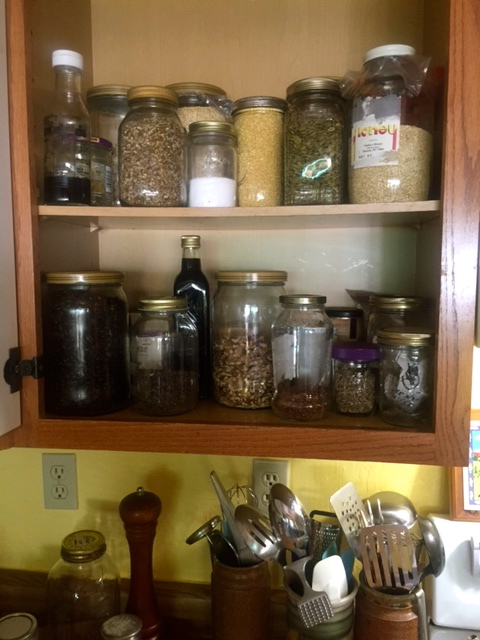
So, always, when reading these scary and maddening facts about how we are harmed and what we might do to increase safety and well being, take some comfort in the additional facts that you are not alone, that you do have choices and you can take everything one step at a time. My cupboards, frig and freezer are full of re-purposed mayo and salsa jars. We really like those half gallon glass containers previously filled with marinating artichoke hearts or 3-bean salad, for storing coffee beans or quinoa! I’ll leave you today with a photo of my very unglamourous but toxin-free kitchen cupboard! Watch the Weekly Wellness Guides for my next installment- I’ll post some really great recipes for home made nut and seed milks, easy to make, delicious, and truly BPA-free.


Resources:

1. Akin L, Kendrirci M, Narin F. Kurtoglu S, Saraymen R, Konodolot M, Elmali F. The endocrine disruptor bisphenol A may play a role in the aetiopathogenesis of polycystic ovary syndrome in adolescent girls. Acta Peaediatric 2014 Dec. 3 doi:10.1111/apa.12885

2. Kandaraki E, et al. Endocrine disruptors and Polycystic Ovary Syndrome (PCOS): Elevated serum levels of bisphenol A in Women with PCOS. J Clin Endocrinol Metab, March 2011, 96(3):E480 –E484

Filed Under: Uncategorized

Licorice Potent Medicine

June 6, 2015 By cmsadmin Leave a Comment


Hello UnCommon Woman! Here is your Weekly Wellness Guide ~

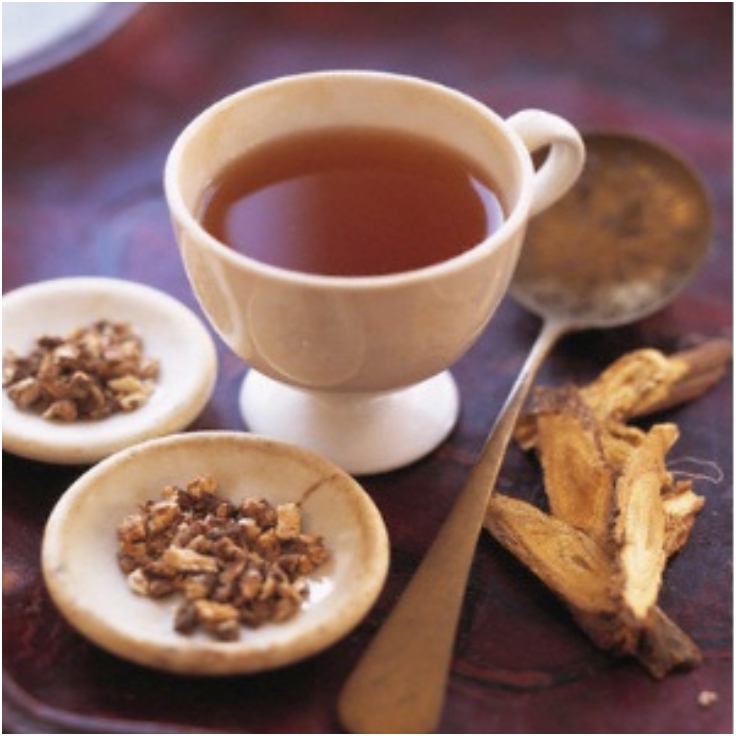
Herbal medicines are powerful allies that can help us moderate our hormone levels. A powerful androgen hormone effect is a consistent feature of women with PCOS. Licorice root (Glycyrrhiza glabra) is a particularly potent natural anti-androgen. I like it because it can be taken in a variety of ways, including as a very inexpensive but definitely medicinal cup of tea. One teaspoon of chopped root simmered 5-10 minutes, cool and strain. It is tasty both warm or cold; I love iced licorice tea!

Two recent studies examined the androgen lowering effects of Glycyrrhiza Glabra. One showed reduced testosterone in healthy women aged 22–26 years when taken through two menstrual cycles. The women in this study used 7 grams per day and their testosterone reduced from 27.8(±8.2) to 17.5 (±6.4). Another clinical trial investigated the effects of Glycyrrhiza glabra in women with PCOS. Glycyrrhiza glabra 3.5 g per day was added to the anti-androgen pharmaceutical treatment, Spironolactone 100 mg/day over two menstrual cycles. An unwanted side effect for Spironolactone is the flare of androgens during the first phase of treatment. This study demonstrated that women taking Glycyrrhiza glabra along with their Spironolactone had significantly lower concentrations of testosterone during the first four days of treatment than the group of women taking the Spironolactone alone.

Licorice root is also anti-inflammatory and we know that women with PCOS have a strong tendency to have at least slightly swollen tissues, a circumstance that contributes to fertility issues as well as cardiovascular disease risk. It inhibits tumor formation, which is soothing to any of us concerned about our very small risk of endometrial cancer. Licorice supports the adrenal hormone cortisol to last longer in our systems, a great support for those suffering adrenal-related fatigue. One component called glycyrrhizin activates our liver to remove toxic xenobiotics, those environmental pollutants we know are contributing to our hormonal distress.

Care must be taken with licorice root. Like all powerful chemicals, it has some potential to do harm, if not used correctly. Monitor your blood pressure; stop using licorice if you notice rising BP, swelling, dizziness or headaches. Ideally you are all working with a licensed naturopathic physician. NDs are the only physicians whose education includes medical botany. Our clinical experience using herbal medicines is both extensive and exclusive. A ND can tell you if your condition is something that can be safely and effectively treated with herbs, and how. Please do contact me if you have questions about using herbs, especially if you are considering combining herbs or other natural medicines along with prescription drugs. I am also available to help you analyze the potency or quality of the supplements or botanical medicines you are using. There are advantages to working with a licensed professional that are not available with other types of advisors. I am proud to say my devotion to your well being includes a massive investment in education and accountability that insures you are both well served and protected from harm. Consider a consultation with me, or, locate a ND near you! Go to www.naturopathic.org, and search with the Find A Doctor feature you’ll see on the home page menu bar. Or, contact me, I might be able to make a personal recommendation!


Resources:

  1. Arentz S, et al. Herbal medicine for the management of polycystic ovary syndrome (PCOS) and associated oligo/amenorrhea and hyperandrogenism; a review of the laboratory evidence for effects with corroborative clinical findings. BMS Complementary and Alternative Medicine 2014, 14:511
  2. Kao TC, Wu CH, Yen GC. Bioactivity and potential health benefits of licorice. J Agric Food Chem 2014 Jan 22;62(3):542-53
  3. Fu Y, Chen J, Li YJ, Zheng YF, Li P. Antioxidant and anti-inflammatory effects of six flavonoids separated from licorice. Food Chem 2013 Nov 15;141(2): 1063-71
  4. Office of Technology Assessment, Unconventional Cancer Treatments, Chap. 4 “Herbal Treatments”, pp 66-87, Congress of the U.S. Washington, D.C. 1990
  5. Bisset, et al. Herbal Drugs and Phytopharmaceuticals. Stuttgart 1994 Medpharm Scientific Publishers.

Filed Under: Uncategorized

Fuel Your Mitochondrial Metabolism!

May 30, 2015 By cmsadmin Leave a Comment


Research suggests that women with PCOS are more likely to have healthy full term babies when mitochondrial function is supported. Mitochondria are the energy-producing engines in our cells. Fertility scientists are making headlines with new technologies that try to imitate ovarian cell energy production by surgically manipulating mitochondria. Don’t wait for expensive surgical inventions! Food and medicine plants give us everything we need for healthy life.

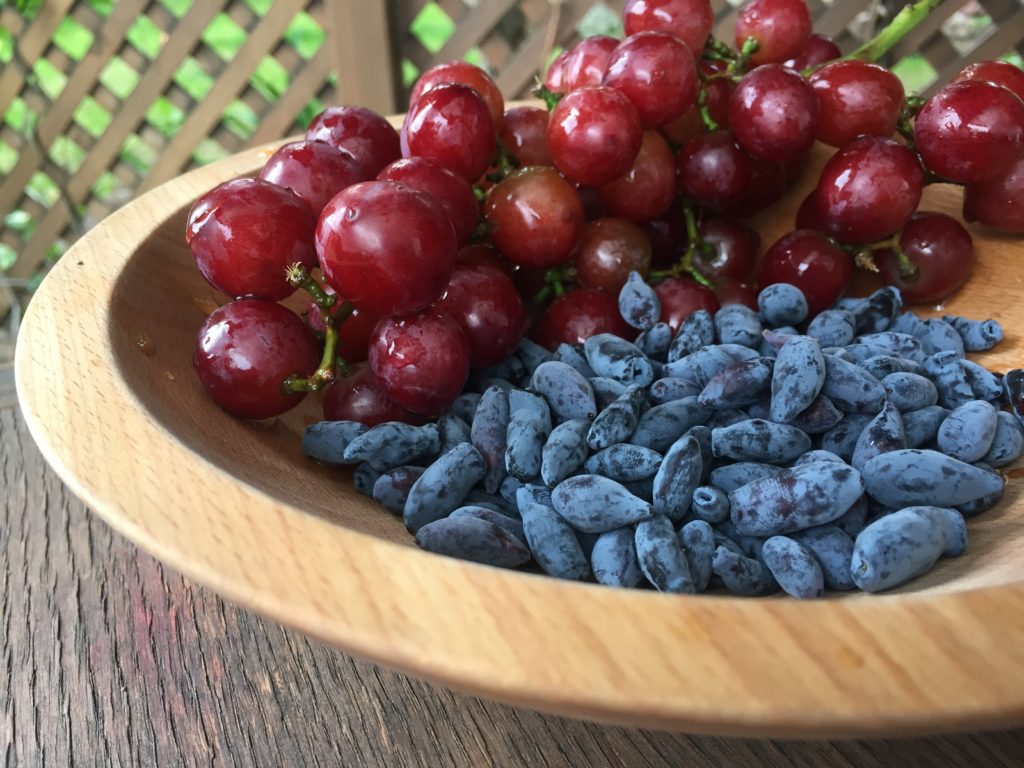
Some of the most potent foods you can eat and drink to rev up your mitochondria, and maximize your fertility are well known to you! Thin-skinned, deeply colored fruits of all kinds, like grapes, blueberries, raspberries, cherries, pomegranate, plums and olives/olive oil; Broccoli and broccoli sprouts and related cabbage-family veggies; yams and sweet potatoes. Green tea, red wine, plus cherry, grape and pomegranite juice are especially rich in anti-oxidant support.

What all these foods have in common is chemistry that turns on over 200 genes involved in protecting our cells from inflammation, rebuilding damaged proteins and eliminating poisons from your system. All you have to do is make a meal, which you were going to do anyway, right? Two cups of bright colored veggies daily, 2-3 servings of fruit. If you are not eating this way yet, give yourself a chance to be amazed at the results!

You have heard of “anti-oxidants”. These are elements that are required for the processes our bodies use to balance the effects of oxidation. Oxidation is a normal, necessary process that can get out of hand and cause problems for our cells. Oxidative excess results from factors we have choice about, like what we eat and drink, lack of exercise, smoking and medications, and some things we can’t control, including environmental pollution, trauma and injury.

Excess oxidation is part of disease process. Normal oxidation is part of normal human physiology, and it tends to increase as we age. Inflammation is one result of excess oxidation. Inflammation is known to contribute to cardiovascular disease, insulin resistance and obesity and it is associated with aspects of infertility. Studies suggest that high-androgen women respond to environmental insult with a significantly bigger inflammatory response. Our bodies fight back harder, if you will, and this is part of our genetic inheritance. High-androgen women were better equipped to survive in ancient times because of this snappy immune system response. In modern times, with so many sources of this kind of insult, our excellent response becomes part of an over-response to insults. The cost of our genetic gift of self-defense can become a vicious cycle of insult and reaction that causes us harm.

There is nothing you can buy in a bottle that is as powerfully effective as eating a whole fresh, organically produced diet and having daily exercise. Whenever possible, I ask my clients to treat themselves with real food and regular exercise for 3 months, before we try any powders, pills or potions from bottles. Those that are willing to always enjoy remarkable improvement in daily life; they usually find it hard it remember how poorly they felt before making these changes. All have saved significant amounts of money and are richer also in self confidence and a sense of empowerment. Adding richly colorful whole, fresh food to your family’s diet is one of the most loving ways to provide for everyone’s well-being- and it taste so good!

Filed Under: Uncategorized

21st Century Fertility Science

May 15, 2015 By cmsadmin Leave a Comment


Recent headlines boomed the news of a beautiful baby boy born to a young couple in their early thirties. This couple experienced two failed attempts at traditional IVF, then found success through a process being sold under the name Augment, from the biotech company OvaScience. Women with PCOS often struggle to have babies when they want to. That is, we can be what is called “sub-fertile”. We tend to successfully conceive and give birth later in life rather than in our teens or twenties. Especially if a family of many more than one or two children is your desire, getting a later start may not be something you want to accept. Technological solutions to fertility problems are widely available. It’s a big business, very profitable for owners and typically quite emotionally and financially costly to suffering couples.

The recent excitement is about the role of mitochondria in oocyte (the cell the mom contributes to baby-making) health. Mitochondria are the energy-producing engines in our cells. With aging, all of our mitochondria begin to slow up, including those in a woman’s ovaries. There are rare genetic diseases that affect mitochondria as well. The Augment technology harvests mitochondria from a woman’s own cells and injects it into her own mature egg along with sperm. An embryo that results is then transferred to her womb via traditional IVF. This is the technique that has produced one live baby boy who is so far apparently healthy. There are about ten other women around the world who are currently pregnant via this technique, in Canada, Turkey and the United Arab Emirates. The US FDA does not sanction this technology at this time. OvaScience reports 26 women have been treated, 17 embryos were created and of these, 9 resulted in “clinical pregnancies”. That means 9 transferred embryos successfully implanted and began to develop in mom’s uterus. Presumably we will hear about the results of these pregnancies by next year.

A second, similar technology was designed to help families with rare genetic disorders of mitochondria. It works by trading nucleus material from the mom into a donated egg with functional mitochondria, mixing with dad’s sperm and planting the resulting 3-parent embryo by the usual IVF procedures. Called mitochondrial replacement therapy, this procedure is legal in the United Kingdom, but is controversial. We have many questions to ask and answer regarding the consequences of being a person with three genetic parents- mom, dad and the donor. The FDA halted the use of a similar technology in 2001, after it had been used experimentally without approval. Before the FDA acted, 17 children were born. Now teenagers, most but not all are reported to be healthy so far. One was diagnosed at 18 months with Pervasive Developmental Disorder, which occurs in 1 out of 500 births generally. Bizarre as it sounds, we now have 17 human experiments, living out their lives. Eventually we will have more information, including about the development of genetically based health problems resulting from being the child of 3 parents, as this little group ages.

Meanwhile, what does this all mean for you? Sub-fertility in younger women with PCOS may or may not be related to mitochondrial function. However all humans, including women in their thirties and forties who desire pregnancy, will have mitochondria that are slowing down. Is there something we can do about that? I think so! Next week I will share information about natural therapies that can support your cellular health, with important body-wide benefits, including ovarian health.

Walking with you in joy and PEACE!
Nan


Resources:

  1. Couzin-Frankel, Jennifer Controversial fertility treatments focus on egg’s power plants. http://news.sciencemag.org/biology/2015/03/controversial-fertility-treatments-focus-eggs-power-plants
  2. Barritt J, Willadsen S, Brenner C, Cohen J. Cytoplasmic transfer in assisted reproduction Hum Reprod Update 2001 Jul-Aug;7(4):428-35

Filed Under: Uncategorized

Are Oral Contraceptives Right for You?

May 8, 2015 By cmsadmin Leave a Comment


Oral Contraceptives effect on fertility of high-androgen women with PCOS

Someone has asked about PCOS and oral contraceptives (OC), how they help to regulate bleeding and whether it is true that a woman with PCOS is more likely to conceive after stopping oral contraceptives. Great questions!

It doesn’t look like we should count on any reliable burst of fertility after stopping oral contraceptives. This is a persistent story, because in fact some women do become pregnant soon after stopping OC, and it’s typically a dramatic, notable event for that reason. But, more do not. The circumstances that are required for successful pregnancy are fairly specific. The difficulty women with PCOS have in conceiving, especially in early adulthood, is mostly related to biochemistry of the ovary that is not affected by the hormones in contraceptives. It looks like blood sugar regulation and managing inflammation is most essential for supporting ovarian function to achieve spontaneous or natural conception.

There are also many stories about women with PCOS apparently beginning or reverting to regular, spontaneous, ovulatory menstrual cycles once they have had their first baby. That happens to be my personal experience. However, I cannot find research directly measuring how often that happens. Research is typically done to answer questions for creating new treatments- unfortunately there is a lot less interest in studying what happens when no one is selling a drug or a surgery to create the effect being studied.

Assisted conception relies on stimulating ovulation, typically with clomiphene citrate, supported by metformin. This combination looks like it has about a 40% success rate, depending on a woman’s total circumstance. OC can be used to sort of over-take your system for 3 or so months. This creates a uterine and ovarian environment that is controlled for the timing of stimulation of ovulation for IVF, so that is one possibly helpful use for OC with PCOS.

OC are very effective at lowering androgen levels. OC are reliable for clearing acne and if used for at least 6 months can improve hirsutism. OC provide progestins (synthetic progesterone) that women with PCOS typically are low in when we are not ovulating. Progestins protect us from the effects of over-exposure to estrogens, including causing the endometrium (the lining of your uterus) to shed roughly monthly, in an imitation of a regular menstrual cycle. OC do not cause ovulation, but you do get that monthly bleed, which helps protect us against the small risk of endometrial cancer.

OC do have side effects, more than I can discuss in this post, but blood clots, migraine headaches and potentially increased breast cancer risk are among the known risks. Many studies suggest weight gain is a minor issue; anecdotally, women experience significant weight gain while on OC. One study has demonstrated that lean-appearing women with PCOS gain visceral fat after using OC, even though their waist measurement and BMI don’t change. It’s possible all the other studies that deny significant fat-gain did not measure visceral fat effectively. Adding metformin did change that story, so women with PCOS taking OC and metformin together do see improved body composition.

OC, especially the estrogen portion, will increase risk of blood clots and cardiovascular disease in women. Interestingly one study did not see the expected increase in cardiovascular events in PCOS women on OC, and those authors wonder if there is some protective effect specific to PCOS that make us safer than the average woman using OC.

Bottom Line for me is that OC have some benefits, some side effects. Each one of you will ideally be assessed by your care provider and educated about what your individual expression of PCOS is, what diagnostic categories best describe your circumstance, so treatment decisions can be made with your specific best interests in mind. Depending on where your personal distress is, what your additional risk factors are, OC can be a helpful tool, but should not be thought of as completely without risk. You will still be a woman whose underlying genetic tendency will be to trend toward higher androgens and insulin resistance. OC will cover over but not “cure” the androgen levels; OC will not help your tendency to insulin and blood sugar problems, and these are the underlying issues for both successful ovulation and carrying a healthy baby to term.

Thanks for sending in questions! I am happy to address exactly what interests you! I have long experience and special expertise in helping high-androgen women learn how to live comfortably in their strong, healthy bodies. If you’d like my personalized recommendations to accelerate your own kindness, compassion & vibrant good health revolution, visit me at www.PCOSConsultations.com, and we can get started!

Walking with you to joy, peace and a fulfilled life,
Nan


References:

  1. Aydin K, Cinar N, Aksov DY, Bozdag G, Yildiz BO Body composition in lean women with polycystic ovary syndrome: effect of ethinyl estradiol and drospirenone combination. Contraception. 2013 Mar;87(3):358-62. doi: 10.1016/j.contraception.2012.07.005. Epub 2012 Aug 13.
  2. Bozdag G, Yildiz BO, Combined oral contraceptives in polycystic ovary syndrome – indications and cautions. Front Horm Res. 2013;40:115-27. doi: 10.1159/000341823. Epub 2012 Oct 18.
  3. Glintborg D, et al Adiponectin, interleukin-6, monocyte chemoattractant protein-1, and regional fat mass during 12-month randomized treatment with metformin and/or oral contraceptives in polycystic ovary syndrome. J Endocrinol Invest. 2014 Aug;37(8):757-64. doi: 10.1007/s40618-014-0103-8. Epub 2014 Jun 7.
  4. Helvaci N, Yildiz BO, Oral contraceptives in polycystic ovary syndrome. Minerva Endocrinol. 2014 Sep;39(3):175-87. Epub 2014 Jul 8.
  5. Mendoza N, Simoncini T, Genazzani AD. Hormonal contraceptive choice for women with PCOS: a systematic review of randomized trials and observational studies. Gynecol Endocrinol. 2014 Sep 25:1-11. [Epub ahead of print]
  6. Spritzer PM, Motta AB, Sir-Peterman T, Diamanti-Kandarakis E, Novel strategies in the management of polycystic ovary syndrome Minerva Endocrinol. 2015 Mar 17. [Epub ahead of print]
  7. Wu CC, Lei P, Ruan YM, Lin XM, Xiong YL, Yang GY Effects of oral contraceptive pretreatment on controlled ovarian hyperstimulation and outcomes of IVF-ET.Zhonghua Nan Ke Xue. 2012 Jul;18(7):623-6.
  8. Yildizhan R, Gokce AI, Yildizhan B, Cim N, Comparison of the effects of chlormadinone acetate versus drospirenone containing oral contraceptives on metabolic and hormonal parameters in women with PCOS for a period of two-year follow-up. Gynecol Endocrinol. 2015 Mar 4:1-5. [Epub ahead of print]

Filed Under: Uncategorized

Kindness Works

May 1, 2015 By cmsadmin Leave a Comment

Compassionate, Kind and Conscious Fat Management is key to being well for high-androgen women with PCOS.

One of my favorite things about being older is noticing how younger people find new and better ways to meet challenges that we all face. I’m especially happy about a greatly increased body acceptance among young people. I do not mean to diminish the suffering I know most of us feel regarding what we think of as our not-perfect bodies. But I note younger people seem more accepting and more comfortable with a wider range of body sizes and appearance details than those of my generation were able to accept, without inevitably imposing crippling shame on people who have extra fat. That is wonderful, excellent, healthy social progress!

I know this is not a universal experience, and some of you may be reacting with “WHAT?!? Who is comfortable being fat?!” I know- it is complex, and different in different communities. I think my impression has to do with the vast improvements in how much human diversity we have become used to seeing every day. We now have a more accurate representation of all of humanity shown in popular TV, movies and digital media, rather than the pretty much white-only, slender-only versions we were limited to not so long ago. It’s not a universal acceptance, and mean-hearted bullying and other abuses still do exist. But trust me, attention to shaming, ridicule and abuse of civil rights as the ugly underside of human behavior that needs to be corrected, is massively improved over what we were doing 30 years ago. There has never been a better time to embrace being an UnCommon Woman!

We still have to grapple with the limitations that wearing the bulk of extra fat tissue puts on our agility, physical endurance and long-term health. So, how do we nurture and maintain a healthy, loving acceptance and also commit to and carry through on managing our choices to minimize physical and emotional distress? We have to learn to pay attention, and practice unfailing kindness and compassion for each other and ourselves.[i]

Giving our attention to someone or something is the most powerful and precious gift we can share. Really, nothing is more valuable than our attention; turning our attention to something is the first step in engagement and connection. It is how we get things done. The power of attention is obvious when we check out it’s meaning- words that define attention include care, notice, devotion, thoughtfulness, and to mind. Attention means being conscious or aware of. It is an act of kindness; in fact it is the foundation of kindness. We cannot act in any way that is truly beneficial or effective without first giving attention to what is true. Giving someone or something our attention is an act of courtesy. It implies responsiveness and interest. In order to create change in our lives, we have to be interested in ourselves!

So, how do we use our attention to manage our pesky fat tissue? It’s pretty simple. Notice yourself. Specifically, pay attention to what you do and how you feel as a result. There is some research that shows us how we tend to eat that is different than women who are not blessed with high-androgen bodies, and I will be sharing that data soon. However, the skill that will free you from distress about body size is your capacity to develop a kind-hearted self-awareness. It is not helpful to try to change your behavior until you have become aware of what your current behavior is. [ii]

A little personal story illustrates this. When I was in my early thirties and the stress of medical school had taken its toll, I weighed 220 pounds. I was vaguely aware that I ate a lot of chocolate in those days, because it was an easy, portable pleasure I could use to reward myself –frequently- for all my hard work. But I could not ignore that I also knew this chocolate was helping me be fatter than I was comfortable being. Long story short (it wasn’t easy for me to learn this), I began to pay attention. I noticed I always ate chocolate when I felt bad. It always gave me pleasure- for about 30 seconds. Then it was melted, swallowed, gone. And, not only did I still feel bad about whatever the original problem was, now I felt even worse because I just ate chocolate which I “knew” was “bad”… I bet this is a familiar story!

The part that is important is that eventually, thanks to awareness I was developing about the fact that when I felt bad and ate chocolate, I still felt bad, I began to pause. I began to thoughtfully consider whether eating the chocolate was really what I wanted to do. Yep, it was, lots of times. But gradually I became more interested in effective problem solving, and had to admit chocolate just wasn’t an effective solution to my long-term suffering from excess fat.

Practicing being kind to myself included not beating up on myself for eating chocolate, or for taking a long-ish time to act like I understood that chocolate was not actually helping me. But kindness really helped me. I began paying attention to how I felt after I did other things, besides eat chocolate, and essentially expanded my toolbox for responding compassionately to my own distress. Eating much less chocolate rolled into noticing other things that worked or didn’t work, whenever my intention was specifically to feel well. Prioritizing feeling well, acting kindly toward myself, and eating foods that served those two priorities became the engine with which I powered through losing 80 pounds.

Good attention and reliable compassion for myself is how, 25 years later, that fat is still gone. I am going to continue to share more on this really important part of living well as an UnCommon woman over the upcoming weeks. If you are in a hurry, and want personalized recommendations to accelerate your own kindness and compassion revolution, visit me at www.PCOSConsultations.com, and we can get started!

Walking with you to joy, peace and a fulfilled life,
Nan


References:

[i] Aphramor: Validity of claims made in weight management research: a narrative review of dietetic articles. Nutrition Journal 2010 9:30.
[ii] Schaefer JT, Magnuson AB. A review of interventions that promote eating by internal cues. J Acad Nutr Diet. 2014 May;114(5):734-60. doi: 10.1016/j.jand.2013.12.024. Epub 2014 Mar 14.

Filed Under: Uncategorized

Good News! You Can Stop Dieting NOW!

April 24, 2015 By cmsadmin Leave a Comment

You already know that diets don’t work for weight loss, right? We can lose, yep, but we almost always re-gain lost weight and usually with increasing amounts of fat and less muscle every time. Don’t despair! It’s OK! We can be rid of unhealthy amounts of body fat, life long. The way to do it, the ONLY way, is to start by eating only what you really love. And, nope, I am not crazy! I trust you- when you learn what works, you do it! Science proves it!
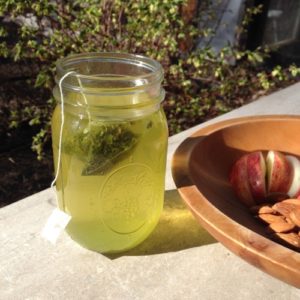
A 2014 review by the Academy of Nutrition and Dietetics looking at programs that support women to pay attention to their own internal signals, and eat based on what actually feels good and right, concludes that we should all be engaging in programs that promote “nonrestrictive eating, body acceptance and health”.

The authors conclude “Traditional diet programs that encourage individuals to consciously restrict their dietary intake have not only been ineffective in terms of weight outcomes, but have also been counterproductive, promoting psychological distress and unhealthy eating behaviors. Non-diet approaches shift the focus away from weight outcomes to the improvement of health outcomes and psychological well-being.

One such approach, intuitive eating, promotes dietary intake based on internal cues of hunger and fullness, body acceptance, and making behavior choices based on health as well as enjoyment. Several studies have implemented such ideas into intervention programs. The purpose of our review was to examine the physical and psychological effects of these programs. Twenty interventions were identified. Overall, studies had positive results, demonstrating improvements in eating habits, lifestyle, and body image as measured by dietary restraint, restrictive dieting, physical activity, body satisfaction, and drive for thinness.

Participants also experienced improved psychological health as measured by depression, ineffectiveness, anxiety, self-esteem, negative affect, and quality of life. Several improvements were sustained through follow-up periods as long as 2 years. Completion rates were as high as 92% in non-dieting groups.

In addition, improvements in eating behaviors and maintaining a non-diet approach, increased self-esteem, and decreased body dissatisfaction were sustained long-term.

Overall, studies that encourage individuals to eat intuitively help participants abandon unhealthy weight control behaviors, improve metabolic fitness, increase body satisfaction, and improve psychological distress. Results from our review favor the promotion of programs that emphasize a nonrestrictive pattern of eating, body acceptance, and health rather than weight loss. ”

Now, I know a lot of women with PCOS have heard that there is “something different” about us, that makes weight loss harder to achieve. That is only true if you believe it is. It is not a biochemical, physical truth. We also hear, constantly, that we are “abnormal” in this way and that way… I am here to tell you that that idea, that high androgen women with the features that are collectively called PCOS are sick or dysfunctional because of our genetic programming, is simply, flat out WRONG! What is true is that we are normal human beings with a set of strengths and advantages that come with our inherited physiology and also some vulnerabilities. One way we stand out is that our body type is more vulnerable to the consequences of modern life, especially sedentary lifestyles, over abundant calories with low nutritional value, and voluntary belief systems that make requirements of women’s fertility and external appearance that are sources of literally centuries of enormous pain and suffering. It is my mission to describe the true nature of our genetic inheritance and bring to light how we fulfill our potential to live meaningful, contributing lives of joy, at peace with ourselves. Stick with me as I write about what science is revealing, and join me in re-telling the story of your life to reflect the fullness of your beauty and abilities!

I have long experience and special expertise in helping high-androgen women learn how to live comfortably in their strong, healthy bodies. If you’d like my personalized recommendations to accelerate your own kindness, compassion & vibrant good health revolution, visit me at www.PCOSConsultations.com, and we can get started!

Walking with you to joy, peace and a fulfilled life,
Nan


References:

Schaefer JT, Magnuson AB A review of interventions that promote eating by internal cues. J Acad Nutr Diet 2014 May:114(5):734-60

Filed Under: Uncategorized

Green Tea is GOOD Medicine

April 17, 2015 By cmsadmin Leave a Comment

Green Tea is GOOD medicine!

Here’s another Inexpensive, Potent and it Tastes Good! Tip ~ it turns out that drinking tea has significant benefits in arenas where women with PCOS can use support. By tea I mean Camellia sinensis, aka “green tea”. Black tea, as many of you may know, is green tea that has been fermented/oxidized. Both have overlapping benefits for reducing blood levels of cholesterol, triglycerides, insulin and leptin. Both are rich in protective anti-oxidants. Green tea has anti-cancer effects. Black tea has about twice the amount of caffiene that green tea does. Both forms of tea have a positive effect on insulin and leptin levels. Leptin is a hormone that is produced in our fat cells. It works in concert with insulin from our pancreas to effect our appetite.

Along with portion size management, tea drinking helps us lose fat. I highly recommend we all drink at least 8 cups of water daily and make 2-4 of those cups be water infused with green tea. Even rather expensive green tea is pretty cheap, and tea-lovers recommend using warm rather than boiling water to make your green tea beverage. It has a lovely mild flavor that is easy to sip throughout the day.

Black tea is made with boiling water, and people often use milk and sweetener with it. That will knock back some of the benefits, although as a comfort food now and again, it’s marvelous! For me, a little black tea with honey and lemon, or on a REALLY bad day, cream and sugar, is medicine for my soul! But the caffeine effect is pretty powerful, so I stick with green tea for all-day sipping. Here’s a picture of my mid-morning snack- yum!

I have long experience and special expertise in helping high-androgen women learn how to live comfortably in their strong, healthy bodies. If you’d like my personalized recommendations to accelerate your own kindness, compassion & vibrant good health revolution, visit me at www.PCOSConsultations.com, and we can get started!

Walking with you to joy, peace and a fulfilled life,
Nan


References:

Huang, H-C, Lin J-K Pu-erh tea, green tea, and black tea suppresses hyperlipidemia, hyperleptinemia and fatty acid synthase through activating AMPL in rats fed a high fructose diet, Food & Function, Nov 16, 2011

Filed Under: Uncategorized

Eat More Vitamin D!

April 10, 2015 By cmsadmin Leave a Comment

You like that inexpensive, tastes good and potent natural medicine thing? I’m REALLY really excited about this one! Most of us understand that Vit D is key to human well being. 70% of North Americans are Vitamin D deficient! And, women with PCOS as a group have lower Vit D levels than average. Supplementing Vit D has clearly beneficial effects for us. It turns out that MUSHROOMS deliver hefty doses of Vit D! and drying them in the sun significantly increases the Vit D in your mushrooms, which is then stored, remaining potent for at least a year. It looks like the least expensive, most popular “button” mushrooms work as well as more expensive varieties like shitake and maitake.

The fantastic thing about mushrooms as a vehicle for delivering you essential Vit D, is that mushrooms also have a long list of additional benefits, for everyone and especially for high androgen women with PCOS who need support for ovulation. A 2010 study of 80 women showed that maitake mushrooms alone increased ovulation rates to about equal with the drug clomiphene. Adding mushrooms to the diets of women who did not ovulate on clomiphene alone caused ovulation in 6 of 8 women; adding clomiphene to mushrooms for women who did not ovulate on mushrooms alone, and 100% of these women benefited from successful ovulation.

Most Vit D supplements are made from fish or extracted from pig skin or the lanolin of sheep’s wool. Mushrooms are the best vegetarian source of Vit D. Mushrooms also contribute anti-oxidant function, immune system enhancement, nervous tissue support, and anti-viral action.

NOTE: the mushrooms HAVE TO BE EXPOSED TO SUN! to get the Vit D benefit; the rest of the nutrient effects are there in mushrooms grown indoors. Check out the link below in References to a great article with complete instructions for providing yourself truly excellent nutrition at a very reasonable price, and enjoy a little do-it-yourself satisfaction too.

I have long experience and special expertise in helping high-androgen women learn how to live comfortably in their strong, healthy bodies. If you’d like my personalized recommendations to accelerate your own kindness, compassion & vibrant good health revolution, visit me at www.PCOSConsultations.com, and we can get started!

Walking with you to joy, peace and a fulfilled life,
Nan


References:

1. http://www.fungi.com/blog/items/place-mushrooms-in-sunlight-to-get-your-vitamin-d.html

2. Chen JT, Tominaga K, Sato Y, Anzai H, Matsuoka R. Maitake mushroom (Grifola frondosa) extract induces ovulation in patients with polycystic ovary syndrome: a possible monotherapy and a combination therapy after failure with first-line clomiphene citrate. J Altern Complement Med. 2010 Dec;16(12):1295-9. doi: 10.1089/acm.2009.0696. Epub 2010 Oct 29.

Filed Under: Uncategorized

Dang Belly Fat!

April 3, 2015 By cmsadmin Leave a Comment

Women with PCOS are no fatter than the rest of the population, and being fatter makes the living with PCOS experience worse.

Being overweight or obese tends to exaggerate everything we suffer from related to having PCOS. I am very focused on minimizing the suffering high-androgen women with PCOS experience. I like the bumper-sticker Zen lesson that reminds us that pain is inevitable, but suffering is a choice. In fact, we do not have to suffer obesity. The fact so many of us do is something I want to contribute to changing. One vital element to changing our relationship to obesity is information. Here are some essentials for you to know:

The relationships between having a high androgen body and obesity are circular. Not every high androgen woman is overweight, but every woman with a high androgen body is more likely to have more visceral fat than average for females. Visceral fat, the kind we build in our abdomen, surrounding vital structures like heart, liver and kidneys, is an active endocrine organ. We owe some of the advantages of being a high androgen women to the hormones our visceral fat contributes. However, imbalances create certain hormonal states that are also common to and made worse by being overweight or obese. The great news is that all these biochemical states can be optimized- meaning we can enjoy the benefits without additional suffering due to theses tendencies of ours- when we live in our high androgen bodies the way we are optimally meant to.

Because of our collective chronic anxiety about being or becoming fat, it is important to understand that PCOS does not cause obesity. More than half of women with PCOS are in fact overweight/obese, but that’s because at this time in history we are experiencing a global epidemic of obesity. Currently in the US about 65% of adult women are overweight or obese.i In studies looking at women from many different countries, we can see that the percent of women with PCOS who are overweight/obese is essentially the same as all women in that country, meaning PCOS does not have a genetic component that requires we become overly fat. “However,” these authors conclude, “it is likely that changes in the quantity, type, and quality of dietary intake and in the degree and type of physical activity over time may have had significant influence on the prevalence of obesity among PCOS women, as they have in the general population.” ii This fact is supported by additional studies that show how the incidence of obesity rises in the subset of women with PCOS at the same rate it has risen in the general population.iii

It’s good to know that having PCOS does not mean we will inevitably become dysfunctionally fat. But this study and many others iv v, make it very clear once we have gained too much fat, it tends to be deep abdominal fat that contributes to biochemistry that worsens all the signs and symptoms of PCOS that we struggle with. It is clear that weight loss and lifestyle management offers a beneficial effect on the ovulatory and metabolic dysfunction of obese women with PCOS.

I’m sure all that is good news to each of us, but… If you are among the majority of women who have tried to lose excess fat, and keep it off long term, your happiness may be tempered with frustration abut the very real difficulty everyone has in changing our fat to lean tissue. If you are not extra fat, you may be weary of the effort you need to make to maintain a healthy weight; you may experience yourself having to be more vigilant, more consistently conscious of your behaviors and choices, than it seems like your friends do.

You are not imagining the difference! It turns out that both over weight and lean high-androgen women with PCOS behave differently than most other women- with or without PCOS- do, trying to maintain a comfortable body weight. vi vii viii

What’s clear is for a high-androgen woman with PCOS, aligning eating and other behaviors with best health practices becomes even more important than usual. We do have a genetically-based tendency to run body chemistry that causes us to have insulin resistance, higher blood sugars and thus higher-risk for cardiovascular disease and diabetes and inflammatory damage in general, when we are not living in our beautiful, strong reliable fabulous bodies they ways we should.

If you want to know how to maximize your well being and thoroughly enjoy being an UnCommon Woman, consider a personalized plan developed specifically for you ~ please do visit www.PCOSConsultations.com, and get what you need to be optimally well.

Walking with you to joy, peace and a fulfilled life,
Nan


Resources:

[i] National Center for Health Statistics.
Health, United States, 2013: With Special Feature on Prescription Drugs. Hyattsville, MD. 2014.

[ii] Yildiz B, Knochenbauer E, Azziz R, Impact of Obesity on the Risk for Polycystic Ovary Syndrome, J Clin Endocrinol Metab. 2008 Jan;93(1):162-8. Epub 2007 Oct 9.

[iii] Diamanti-Kandarkis E, Kouli CR, Bergiele AT, Filandra FA, Tsianateli TC, Spina GG, Zapanti ED, Bartzis MI 1999 A survey of the polycystic ovary syndrome in the Greek island of lesbos; hormonal and metabolic profile. J Clin Endocrinol Metab 84:4006-4011

[iv] Franks S 2006 Genetic and environmental origins of obesity relevant to reproduction. Reprod Biomed Online 12:526–531

[v] Lim SS, Norman RJ, Davies MJ, Moran LJ. The Effect of Obesity on polycystic ovary syndrome: a systematic review and metaanalysis Obes Rev. 2013 Feb; 14(2):95-109

[vi] Jones GL, Hall JM, Balen AH, Ledger WL: Health-Related Quality of Life Measurement in women with PCOS: a systemic review. Hum Repro Update 2008; 14: 15-25

[vii] Komarowska H, Stangierski A, Warmuz- Stangierski I, Lodyga M, Ochmanska K, Wasko R, Wanic-Kossowska M, Ruchala M Differences in the psychological and hormonal presentation of lean and obese patients with polycystic ovary syndrome Neuro Endocrinol Lett. 2013;34(7):669-74

[viii] Yildirim B, Sabir N, Kaleli B. Relation of intra-abdominal fat distribution to metabolic disorders in nonobese patients with polycystic ovary syndrome. Fertil Steril. 2003 Jun;79(6):1358-64.

Filed Under: Uncategorized

Apple Cider Vinegar and Fat Loss

March 27, 2015 By cmsadmin Leave a Comment

Apple Cider Vinegar and Fat Loss ~ All natural, inexpensive, and it tastes good!

Money is often an issue for women seeking health care, so I really love to be able to pass on info about powerfully effective natural medicines that you probably already have in your pantry! Here’s a study that validates one old wise woman tale about simple cider vinegar:

Diabetes Care 27:281-282, 2004
Vinegar Improves Insulin Sensitivity to a High-Carbohydrate Meal in Subjects With Insulin Resistance or Type 2 Diabetes
Carol S. Johnston, PHD, Cindy M. Kim, MS and Amanda J. Buller, MS

From the Department of Nutrition, Arizona State University, Mesa, Arizona

“The number of Americans with type 2 diabetes is expected to increase by 50% in the next 25 years; hence, the prevention of type 2 diabetes is an important objective. Recent large-scale trials (the Diabetes Prevention Program and STOP-NIDDM) have demonstrated that therapeutic agents used to improve insulin sensitivity in diabetes, metformin and acarbose, may also delay or prevent the onset of type 2 diabetes in high-risk populations. Interestingly, an early report showed that vinegar attenuated the glucose and insulin responses to a sucrose or starch load (1). In the present report, we assessed the effectiveness of vinegar in reducing postprandial glycemia and insulinemia in subjects with varying degrees of insulin sensitivity.

Our study included nondiabetic subjects who were either insulin sensitive (control subjects, n = 8) or insulin resistant (n = 11) and 10 subjects with type 2 diabetes. Subjects provided written informed consent and were not taking diabetes medications. Fasting subjects were randomly assigned to consume the vinegar (20 g apple cider vinegar, 40 g water, and 1 tsp saccharine) or placebo drink and, after a 2-min delay, the test meal, which was composed of a white bagel, butter, and orange juice (87 g total carbohydrates). The cross-over trial was conducted 1 week later. Blood samples were collected at fasting and 30 and 60 min postmeal for glucose and insulin analyses. Whole-body insulin sensitivity during the 60-min postmeal interval was estimated using a composite score (2).

Fasting glucose concentrations were elevated ~55% in subjects with diabetes compared with the other subject groups (P < 0.01, Tukey’s post hoc test), and fasting insulin concentrations were elevated 95–115% in subjects with insulin resistance or type 2 diabetes compared with control subjects (P < 0.01). Compared with placebo, vinegar ingestion raised whole-body insulin sensitivity during the 60-min postmeal interval in insulin-resistant subjects (34%, P = 0.01, paired t test) and slightly improved this parameter in subjects with type 2 diabetes (19%, P = 0.07). Postprandial fluxes in insulin were significantly reduced by vinegar in control subjects, and postprandial fluxes in both glucose and insulin were significantly reduced in insulin-resistant subjects (Fig. 1). These data indicate that vinegar can significantly improve postprandial insulin sensitivity in insulin-resistant subjects. Acetic acid has been shown to suppress disaccharidase activity (3) and to raise glucose-6-phosphate concentrations in skeletal muscle (4); thus, vinegar may possess physiological effects similar to acarbose or metformin. Further investigations to examine the efficacy of vinegar as an antidiabetic therapy are warranted.” So! for those of you concerned with blood sugar swings and insulin resistance issues- apple cider vinegar! Research into the effects of apple cider vinegar taken before a meal suggest it's impact on after-meal blood sugar regulation is similar to that of metformin. 2 TBS in 4 oz water- try it! This amount of apple cider vinegar before a meal is also a gentle digestive aid. It can contribute to erosion of your teeth enamel, so don’t hold it is your mouth for any length of time. Eating within 20 minutes of drinking a dilute apple cider vinegar and water combo will clear and protect your teeth. I have long experience and special expertise in helping high-androgen women learn how to live comfortably in their strong, healthy bodies. If you'd like my personalized recommendations to accelerate your own kindness, compassion& vibrant good health revolution, visit me at www.PCOSConsultations.com, and we can get started! Walking with you to joy, peace and a fulfilled life, Nan


References:

1. Ebihara K, Nakajima A: Effect of acetic acid and vinegar on blood glucose and insulin responses to orally administered sucrose and starch. Agric Biol Chem 52:1311–1312, 1988
2. Matsuda M, DeFronzo RA: Insulin sensitivity indices obtained from oral glucose tolerance testing. Diabetes Care 22:1462–1470, 1999[Abstract/Free Full Text]
3. Ogawa N, Satsu H, Watanabe H, Fukaya M, Tsukamoto Y, Miyamoto Y, Shimizu M: Acetic acid suppresses the increase in disaccharidase activity that occurs during culture of Caco-2 cells. J Nutr 130:507–513, 2000[Abstract/Free Full Text]
4. Fushimi T, Tayama K, Fukaya M, Kitakoshi K, Nakai N, Tsukamoto Y, Sato Y: Acetic acid feeding enhances glycogen repletion in liver and skeletal muscle of rats. J Nutr 131:1973–1977, 2001

Filed Under: Uncategorized

Ask Dr. Dunne!

We understand that expert consultation may be an unfamiliar way of going about getting help. Before you decide to commit to an initial consultation interview, you may have questions - Ask Dr. Dunne! Use this form and submit your question. Dr. Dunne will reply usually within 2 business days. Dr. Dunne wants to put your mind at ease, and help you be sure you are making the choice that is right for you. There is no charge for this service, so don't hesitate to ask what you need to know before deciding to engage a full consultation.

What would you like to know? some common questions:

"My doctor has me on 3 prescription drugs. Would using herbs be safe?"
"I've never had a consultation before! How do I know it's right for me?"
"I want to help my daughter with her acne, but we have trouble talking about it. Can you help?"
"What is with all this paperwork I have to fax to you?"

Ask your question below!

  • This field is for validation purposes and should be left unchanged.
"Self-care is never a selfish act - it is simply good stewardship of the only gift I have, the gift I was put on Earth to offer others. Anytime we can listen to true self and give it the care it requires, we do it not only for ourselves, but for the many others whose lives we touch.”
- Parker Palmer

Copyright © 2026 PCOS Consultations
Home · Terms of Service · Privacy Policy · Log in